What the Midterm Elections Mean for Public Lands and Outdoor Recreation
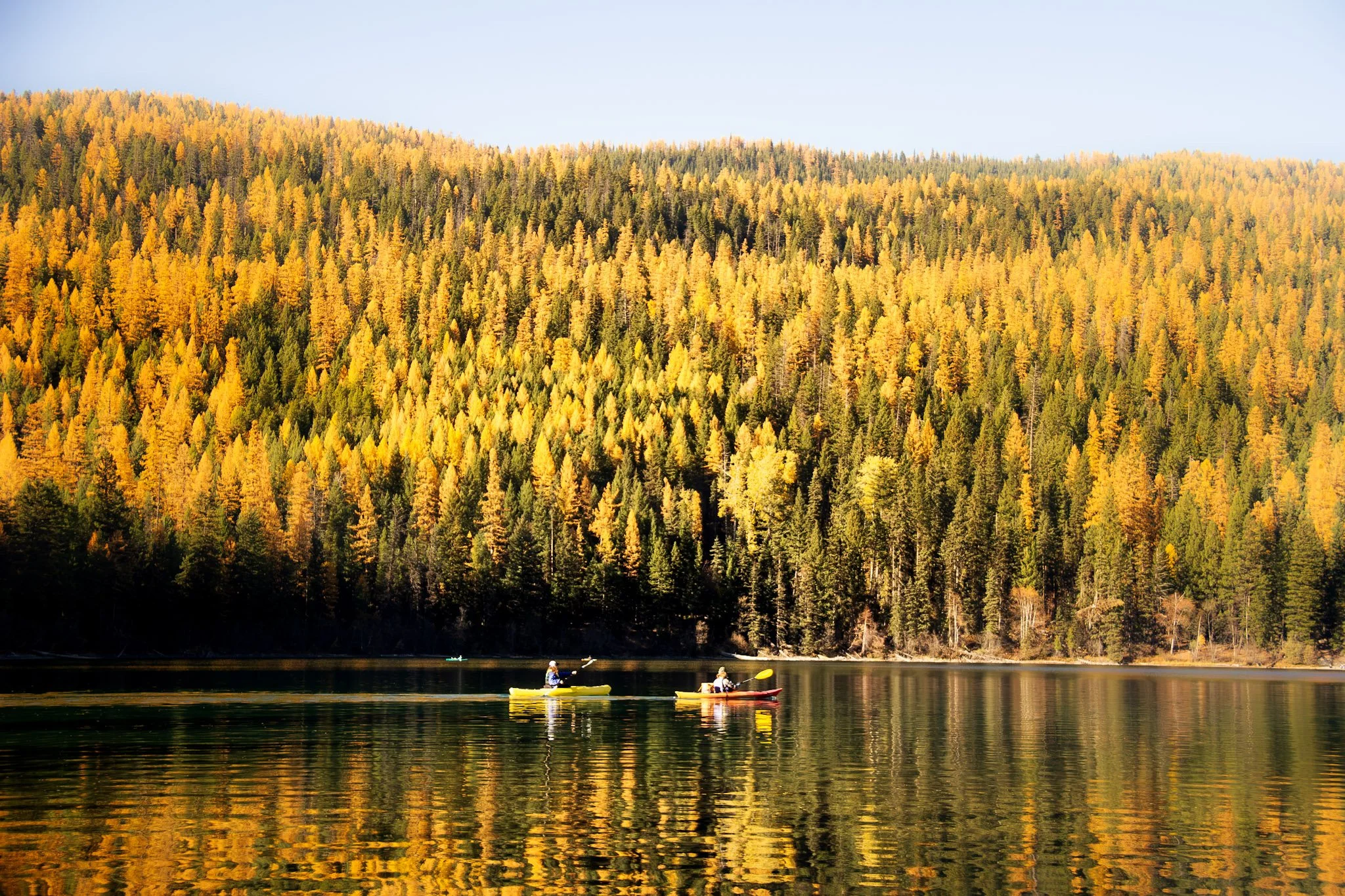
Photo credit: Holly Mandarich
The results of the 2026 midterm elections will have a profound effect on the next few years of advocacy and policy on public lands, conservation, and outdoor recreation. Democrats have gained control of both the House and Senate, creating new opportunities to move policy forward. But where the new Congress will focus and how elected officials will work with the lame duck administration is up in the air.
For public lands advocates, one thing is clear: the next two years could be much busier legislatively than we anticipated. After a period when much of our work has focused on defending protections for public lands and waters, there may now be opportunities to advance conservation and recreation policies and correct for excesses of the administration.
Here are some of our biggest takeaways from the election and what we're watching next.
Conservation wasn't a major focus of the election
Although public lands and conservation enjoy broad bipartisan support, they probably weren't top of mind for most voters in this election. Instead, much of the campaign focused on affordability, the cost of living, and government accountability.
That matters for our work. The message many lawmakers will take from this election is that Americans are concerned about rising costs and want Congress to do something about it. That could mean a continued emphasis on expanding domestic energy production, including oil and gas development on public lands, even as a new Congress creates opportunities to advance conservation priorities.
Public lands advocates will need to make a compelling case for why conservation and outdoor recreation deserve attention alongside these other priorities. That includes demonstrating the economic value of outdoor recreation, the importance of investing in public lands infrastructure, and the benefits that healthy public lands and waters provide to communities across the country.
How will the administration respond?
One of the biggest unknowns is how the administration will respond to the shift in power in Congress. There are several possibilities: the President could double down on his existing agenda given that he only has two years left; he could shift attention to other projects or issues; or could even find opportunities to work with a Democratic Congress.
The administration has been somewhat unpredictable, and it's difficult to know what direction it will take over the next two years. That uncertainty is especially significant for public lands, where many of the most consequential policy decisions are made by federal agencies rather than Congress.
We'll be watching closely to see what happens with ongoing efforts to roll back conservation protections, including the Roadless Rule, as well as changes to public lands management, agency staffing, and recreation access. Regardless of how the administration responds, the outdoor community will need to be even more deeply involved in advocating for public lands and waters and the agencies that manage them.
Changes in agency leadership could affect public lands management
Turnover among political appointees and senior administration officials is common after the first two years of a presidency, and especially so for a lame duck president following a major shift in congressional control. We may see significant changes in leadership at agencies responsible for managing public lands, including the Department of the Interior and Department of Agriculture.
These changes can have real consequences for how agencies function. Leadership transitions can slow decision-making, create uncertainty around policy priorities, and make it harder for already understaffed agencies to carry out their responsibilities. At the same time, losing political appointees and agency leadership may affect how quickly the administration can move in rolling back public land protections.
Bipartisan conservation leadership matters more than ever
One notable outcome of the election is the loss of numerous moderate Republicans, including lawmakers who have been supporters of conservation and outdoor recreation.
While the new congressional majorities may create opportunities to advance public lands legislation, we cannot build lasting conservation policy on partisan victories alone. Some of the most significant public lands achievements of the past decade—including the Great American Outdoors Act and the EXPLORE Act—have succeeded because they were bipartisan efforts.
We need both Republicans and Democrats who care about public lands, understand the importance of outdoor recreation, and are willing to work together to protect these places. Maintaining those relationships, cultivating new conservation champions in both parties, and ensuring that public lands remain a bipartisan priority will be essential to our long-term success.
What happens next?
We're entering an unusual political environment: a Congress controlled by one party, with significant majorities, and a president from the other party whose next moves are difficult to predict.
There are big questions about how Congress will balance legislating with oversight, how the appropriations process will unfold, and how Republican lawmakers will approach the next two years. And with the 2028 presidential election already on the horizon, the political landscape will continue to shift.
But for the outdoor recreation community, there is also an enormous amount of opportunity.
Congress could have the chance to make meaningful progress on funding for public lands, rebuilding the capacity of federal land management agencies, securing lasting protections for backcountry forests, and addressing the growing maintenance backlog on our public lands. Reauthorizing the Legacy Restoration Fund remains an urgent priority, as does determining the future of the Roadless Rule and the millions of acres of national forests it protects.
At Outdoor Alliance, we're also thinking beyond the next two years. We're working to develop a long-term vision for conservation and outdoor recreation—one that can guide future administrations and Congresses, build durable bipartisan support, and help ensure that public lands remain protected and accessible for generations to come.
The election has changed the political landscape, but it hasn't changed our mission. Whether we're working with Democrats or Republicans, Congress or the administration, Outdoor Alliance will continue bringing the voice of the outdoor recreation community to the decisions that shape our public lands and waters.
There's a tremendous amount at stake, and a tremendous amount of work ahead. Your support helps us seize new opportunities, defend the places we love, and build a stronger bipartisan future for public lands.