The Current Permitting Reform Push Threatens Outdoor Recreation and Public Lands
Congress is working on a major bipartisan permitting reform bill that could reshape how decisions are made about development on America's public lands and waters. Lawmakers hope to pass the legislation before the end of the year, and while some of its provisions could help accelerate much-needed clean energy projects, others could have serious consequences for outdoor recreation, conservation, and the public's ability to weigh in on decisions affecting our public lands.
Permitting reform is complicated, and at first glance, it’s hard to understand how it affects outdoor recreation–it can seem far removed from your favorite trail, climbing area, or river. Over the last few years, there has been a lot of bipartisan interest in a permitting deal to streamline how federal projects like renewable energy, pipelines, and infrastructure are permitted both on and off of public lands. These negotiations are complex and require lawmakers to strike a difficult balance between speeding up important national priorities like renewable energy deployment with retaining a fair public process and safeguards for the environment. The current permitting reform package, the Bipartisan American Affordability and Jobs Act (BAAJA), does not strike the right balance as written. You can read the letter Outdoor Alliance has written to Congress right here.
What's happening in Congress?
Right now, the Senate is considering the Bipartisan American Affordability and Jobs Act, a sweeping permitting reform package that would make major changes to the laws governing federal project approvals. Lawmakers are hoping to advance the legislation and pass a package before the end of 2026.
The bill includes some provisions Outdoor Alliance supports, particularly changes that would make it easier to build and connect new electric transmission infrastructure. Expanding our electric grid is essential to bringing more renewable energy online, and better coordination and planning could help reduce unnecessary delays.
However, the bill also includes major changes to longstanding environmental safeguards that would reduce opportunities for Tribal consultation, curtail substantive environmental safeguards, reduce public participation, and lock in decisions from administration to administration, even when permits were not lawfully issued. Some of our biggest concerns include:
Reducing protections for clean water and rivers. Proposed changes to the Clean Water Act would limit states' and Tribes' ability to protect water quality when federal projects are approved. The bill would also weaken safeguards around hydropower projects, with potentially serious consequences for river health, whitewater recreation, and other uses of our waterways.
Locking in harmful projects. The bill would make it very difficult for an administration to pause or reverse a federal permit for a project, even if circumstances change, legal issues are identified, or new information comes to light.
Weakening environmental review and public engagement. The bill would narrow the types of projects that require review under NEPA, restrict consideration of alternatives, and limit opportunities for public comment. That could make it harder for recreationists to identify potential conflicts and advocate for better outcomes before projects are approved.
Making it harder to challenge harmful decisions. The legislation would restrict who can challenge certain federal decisions in court and limit courts' ability to pause projects when agencies fail to follow environmental laws.
Weakening Tribal consultation and cultural resource protection. The bill would reduce Tribes’ ability to identify cultural resource concerns related to federal development projects. The bill would also limit Tribes’ ability to challenge federal decisions affecting their ancestral homelands.
These changes could affect a wide variety of federal actions such as gas pipelines, clean energy, mining, hydropower, transmission lines, and other development across public lands and waters.
Our member organizations are already raising concerns about the proposal. American Whitewater has warned that changes to the Clean Water Act and hydropower licensing could undermine protections for rivers and the recreational opportunities they provide. Surfrider Foundation is also opposing provisions that would weaken environmental safeguards and public participation.
Why This Matters for Outdoor Recreation
The laws governing federal permitting are some of the most important tools we have to protect public lands and waters. They ensure that federal agencies consider how development projects could affect recreation, wildlife, and clean water, and give the public opportunities to weigh in before consequential decisions are made. But the current permitting reform bill threatens much more than public comment periods. It could allow harmful projects to move forward with inadequate environmental review, severely limit the ability to challenge unlawful decisions, and make it extremely difficult for future administrations to reverse those decisions.
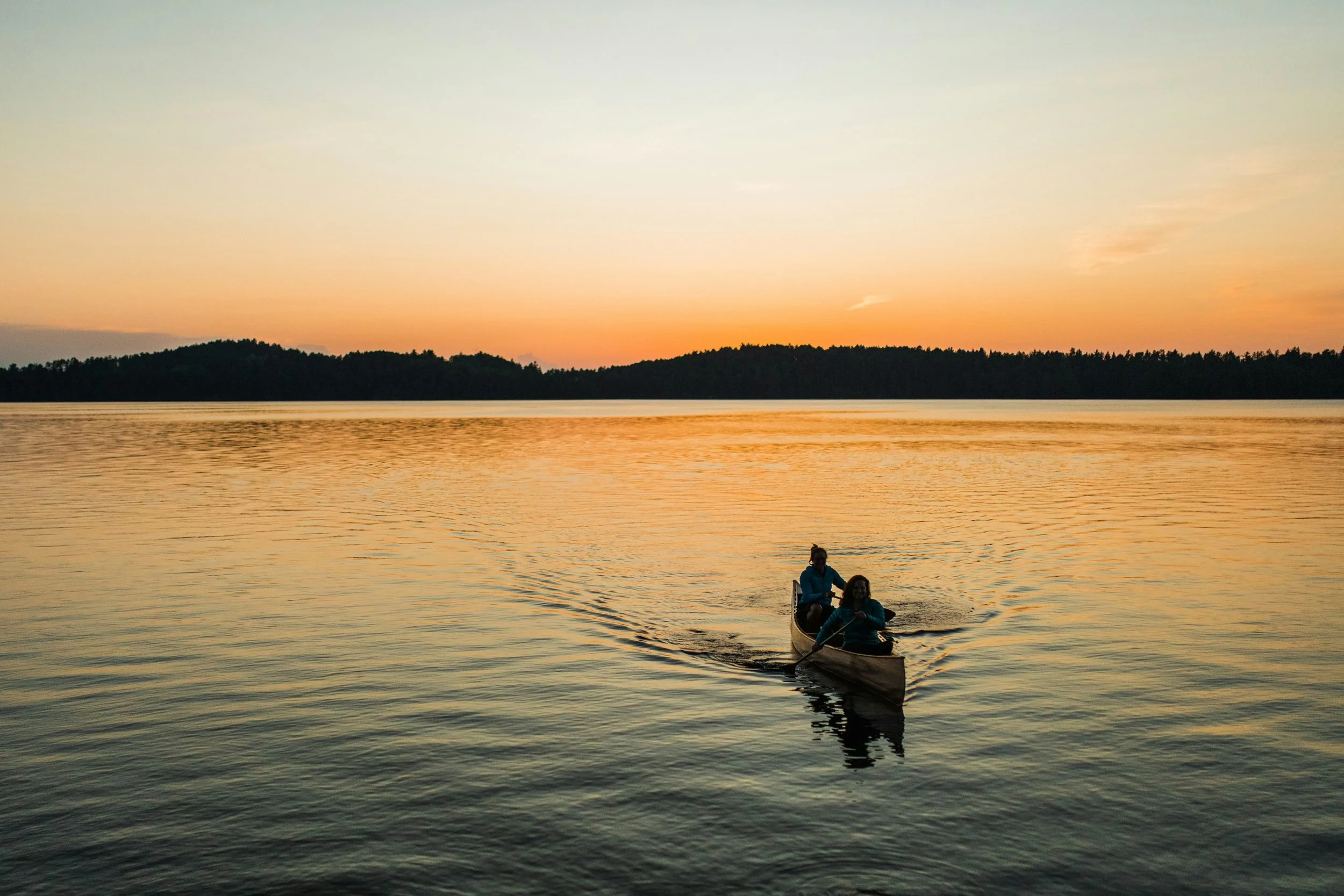
Consider the Boundary Waters in Minnesota, one of the country's most iconic paddling destinations. With protections against mining in the surrounding watershed under threat, a proposed mine could move forward with weakened environmental review and fewer safeguards for clean water. If the federal government approved the project, the bill's permitting certainty provisions could make it extraordinarily difficult for a future administration to reverse that approval, even if the original decision violated environmental laws.
This is what's at stake: decisions that could permanently damage our public lands and waters, with fewer opportunities for the public to intervene and fewer ways to correct harmful decisions.
We can have permitting reform and protect public engagement
Permitting reform doesn't have to be an either-or choice between building the infrastructure our country needs and protecting our public lands and waters.
Meaningful public engagement can help projects succeed. When communities have opportunities to identify problems early, agencies and developers can make better decisions about where and how projects are built. Thoughtful planning can help avoid conflicts with recreation, wildlife, cultural resources, and other important public values. And all of this needs to be backstopped by substantive environmental safeguards.
Outdoor Alliance believes there is a path toward bipartisan permitting reform that accelerates clean energy development, improves government efficiency, and maintains meaningful protections for natural resources and opportunities for the public to participate. But the current legislation goes too far in weakening environmental review, clean water protections, and public oversight.
What happens next?
Congress is expected to continue negotiating the permitting reform package in the coming weeks, and the legislation could change before lawmakers vote.
Outdoor Alliance will be working with our member organizations and partners to advocate for changes that preserve the outdoor recreation community's ability to participate in decisions about public lands and waters.
We've seen again and again how powerful the outdoor community can be when we speak up for the places we love. Whether it's commenting on a proposed change to national forest management, protecting a treasured river, or ensuring a new development project accounts for existing recreation opportunities, public participation helps shape the future of our public lands.
We need a permitting system that works efficiently. But we also need one that works for the public. Public lands belong to all Americans, and the public deserves a say in how they're managed.
You can weigh in with lawmakers before the end of the year using our tool below: