Yosemite Belongs to All of Us
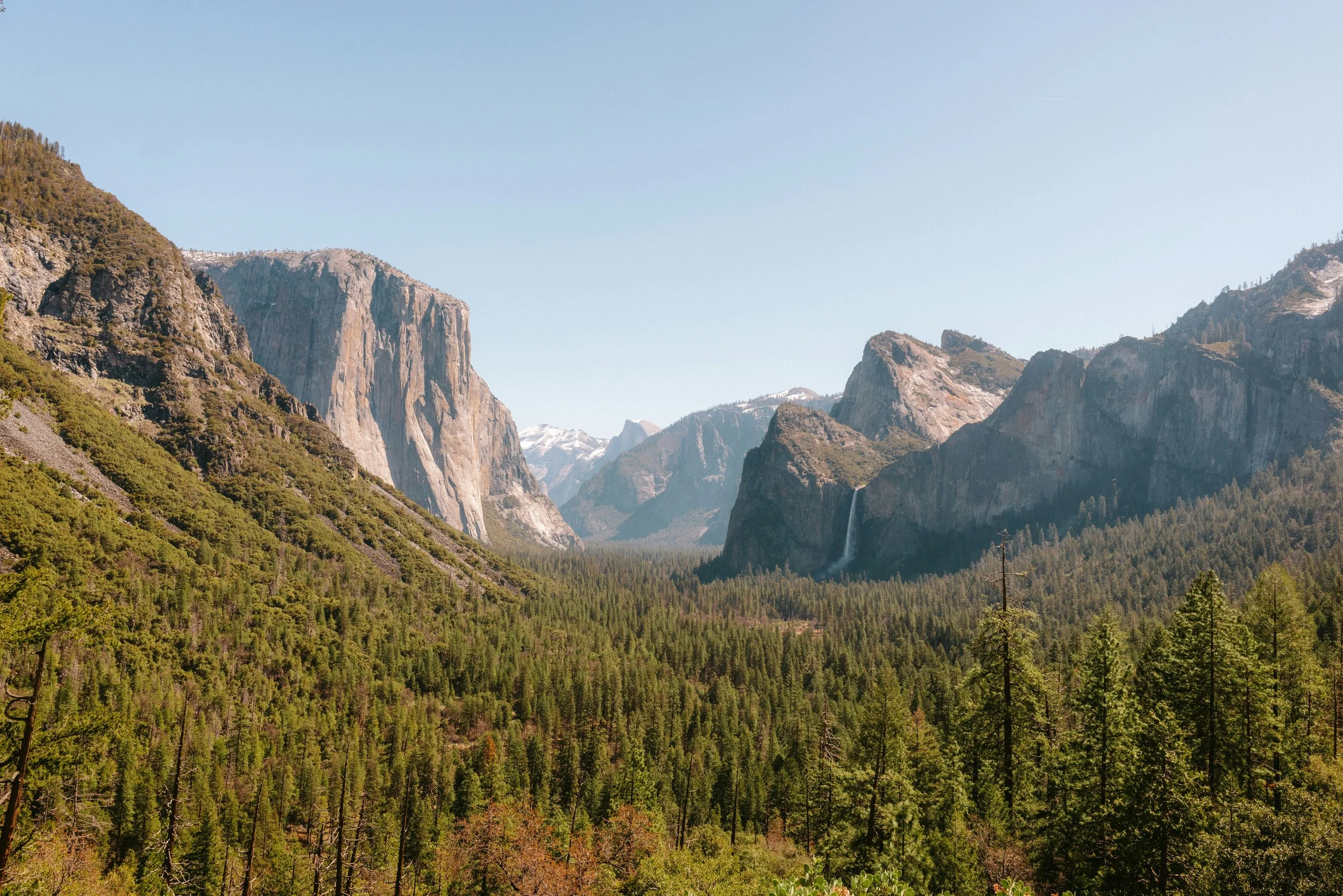
Photo credit: Annie Sprat
Last summer, Americans across the political spectrum spoke up against proposals to sell off millions of acres of public lands. Yet over the last year, attacks on public lands have accelerated–from the planned rescission of the Roadless Rule to rollbacks of protections for the Boundary Waters, Bears Ears, and Grand Staircase-Escalanate National Monuments. Now, a proposed land sale in Yosemite is further raising the question of who public lands belong to.
Right now, the National Park Service is considering a land exchange inside Yosemite National Park to allow access for a private developer who wants to develop land just outside the park. The sale would allow the developer to build a road that would connect planned luxury developments to the inside of the park, bypassing the entrance station.
The developer’s property already has access through Forest Service land to the park entrance, so the land sale seems primarily designed to allow landowners to cut the line into Yosemite. This isn’t the first time a landowner has sought a more direct route through Yosemite. A previous owner sought an easement for a private road through the park and, after the Park Service rejected the request, sued the federal government. The courts ultimately rejected the claim.
The current proposal would use the Land and Water Conservation Fund (LWCF) process to facilitate the exchange, with the developer acquiring land of equivalent value that could be transferred to the federal government in exchange for land inside Yosemite. There are legal mechanisms for small land exchanges, and they can be useful tools when they clearly serve the public interest. But in this case, the bigger picture is deeply concerning.
At a moment when public lands are increasingly being treated as resources for extraction, logging, mining, and private development, this proposal points to another troubling priority: making special accommodations on public land to benefit a private development. It would give a wealthy landowner a more advantageous route through one of the country’s most iconic national parks after similar access was previously denied.
Public lands are supposed to be managed for the public good—not to give wealthy or well-connected interests a way to cut in line. The acreage at issue may be small, but the precedent is much bigger: Yosemite should not be carved up to make private development more convenient or more valuable.
Adam Cramer, CEO of Outdoor Alliance, said, “Last summer, Americans sent a resounding message: our public lands are not for sale. That principle should apply just as strongly to a small piece of Yosemite as it does to millions of acres across the West. Trading away national park land to enable private development would set a deeply concerning precedent. Yosemite belongs to all of us, and it should stay that way.”
The acreage at issue may be small, but the principle is not. If our most iconic national parks can be carved up to make private development more convenient or valuable, it raises questions for public lands across the country.
Outdoor Alliance is joining with hunters, climbers, National Park enthusiasts, hikers, cyclists, anglers, paddlers, wildlife lovers to stand up for public lands and waters and demand that elected officials hear our concerns about land management. Learn more about our demands for decision makers and sign your name at Save Public Lands Day.