
Forest Service Announces Reorganization, Headquarters Relocation
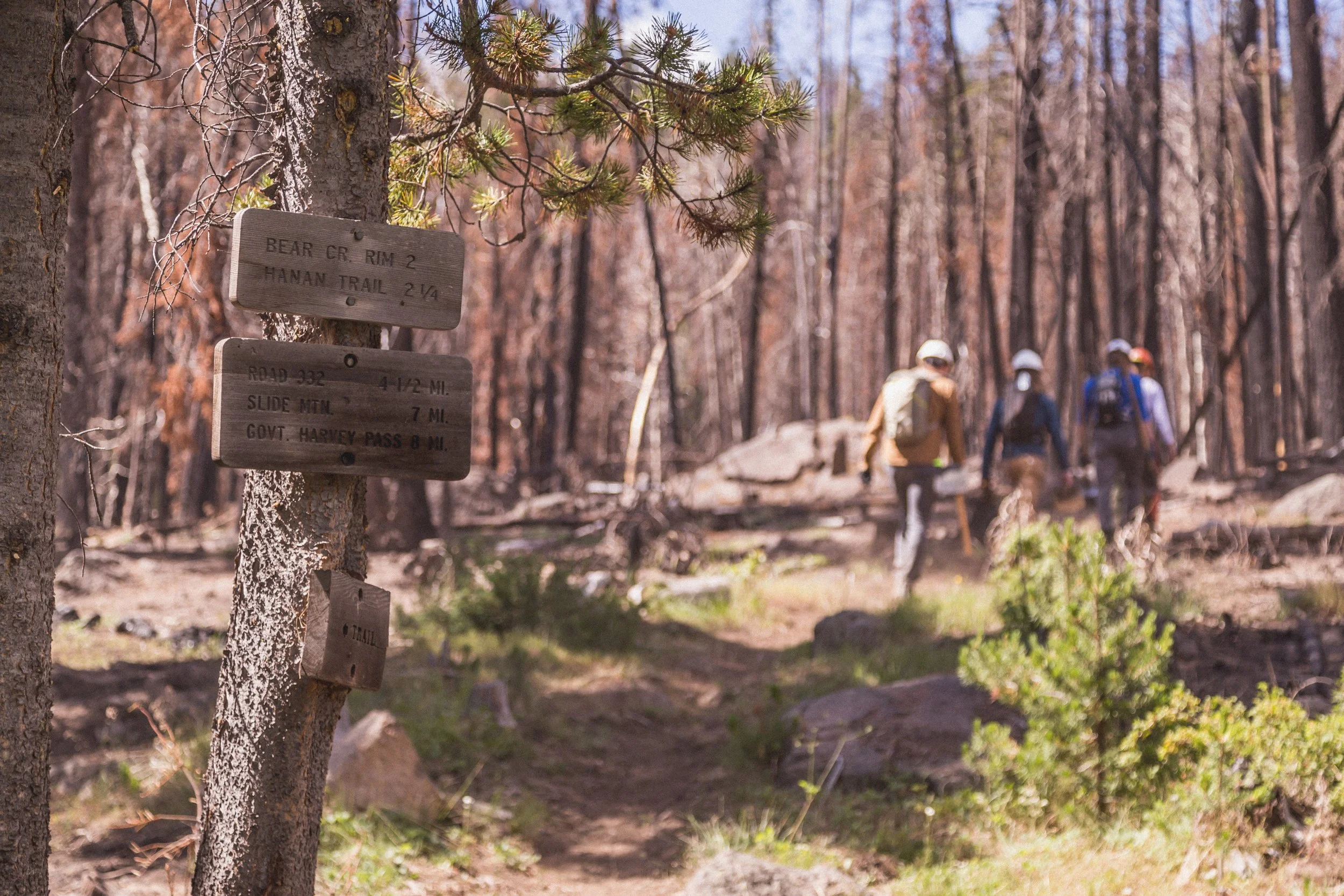
Image source: Gabe Tiller
Last week, the U.S. Forest Service announced it would be undertaking an agency reorganization, including a plan to relocate the agency’s headquarters from Washington, D.C. to Salt Lake City, Utah.
The outdoor community deeply values the work that the Forest Service and its staff do. National forests are home to spectacular and varied outdoor recreation experiences, and the ongoing health and sustainability of our land management agencies is a priority for the outdoor community. The Forest Service’s ability to deliver on its stewardship, conservation, and recreation mission is vital for our outdoor experiences.
The past few years have been tumultuous for the Forest Service. Along with losing more than 9,000 staff as part of the administration’s effort to reduce the federal workforce, the current President’s budget includes even deeper cuts to the Forest Service, including for recreation. The executive order on timber development has shifted the agency toward a greater focus on extraction. And the agency is actively working to dismantle critical protections for recreation, including the Roadless Rule and Travel Management Rule, in contravention of overwhelming public support for those policies.
Under the current administration, the Forest Service has shifted its focus away from conservation and recreation and toward extraction and development. The reorganization, and the relocation of the headquarters, will only worsen the effects of several tumultuous years for the agency.
How Did We Get Here?
The budget crisis at the Forest Service has been growing since we wrote about it two years ago. The Forest Service has a significant and growing list of responsibilities, and Congressional appropriations have not kept pace with needs. At the same time, climate change and the legacy of more than 100 years of aggressive fire suppression have created a wildfire crisis that consumes more and more of the agency’s resources and attention. During fire season, many agency employees are pulled from normal duties to respond to fires.
In recent years, Congress gave the Forest Service large one-time infusions of funding through the Inflation Reduction Act (IRA) and the Infrastructure Investment and Jobs Act (IIJA). Though this funding was helpful at the moment, it did not address the long-term budgetary challenges or address chronic underfunding.
In the last two years, the administration has cut staff, budgets, and resources for the agency, making it increasingly hard for staff to fulfill the mission and affecting recreation experiences, conservation values, and stewardship work. The recently-released President’s budget proposes even further cuts to the Forest Service budget, which will continue to erode outdoor experiences.
What Does the Reorganization Look Like?
The agency plans to eliminate its current network of regional offices and shift its structure into state-level offices with several operations service centers with the stated goal of having more staff closer to the forest-level work. Concerningly, the agency hasn't provided much detail regarding how the current functions of the regional offices will be fulfilled under this new state structure. The current plan does not include any layoffs, however, we anticipate that a significant number of current USFS employees will not choose to relocate, causing even further staff reductions. We are concerned about what this may mean for the loss of institutional knowledge and specialized expertise that helps on-the-ground staff get work done.
One aspect of the reorganization stands apart: the proposed move of Forest Service headquarters out of Washington, D.C.
During the first Trump administration, the relocation of the BLM’s headquarters to Grand Junction, Colorado, resulted in a significant loss of agency staff and expertise as employees declined to uproot their lives and move across the country. While the administration argues for having offices close to the land the government manages, relocating headquarters away from the seat of government makes it harder for staff to coordinate with Congress, partner with other land management agencies, and work with other stakeholders. All land management agencies have a significantly larger presence in the field across the country than they do in their respective headquarters. There is little justification for the idea that it would be problematic to retain key leadership in Washington, D.C. The headquarters move is both needlessly costly and is more political than pragmatic.
What Can I Do?
The Forest Service didn’t arrive at this moment overnight. The administration’s demands, alongside years of inadequate funding, have forced the agency into a position where it has to make significant changes.
Outdoor recreation depends on well-managed forests. That means trail crews, recreation planners, scientists, and field staff. It means functioning facilities. And it means an agency that can balance multiple uses without being pushed toward short-term, extractive priorities at the expense of long-term stewardship. Recreation, conservation, and stewardship must remain core to the agency’s mission—and the staff and expertise to support that work must remain intact, wherever they sit.
You can take action today to ask lawmakers to provide oversight and ensure that through the reorganization efforts, the agency does not lose sight of its core mission: stewardship of public lands for all uses, including outdoor recreation and conservation.