Congress Is Moving to Roll Back Protections for the Boundary Waters—Unless We Speak Up
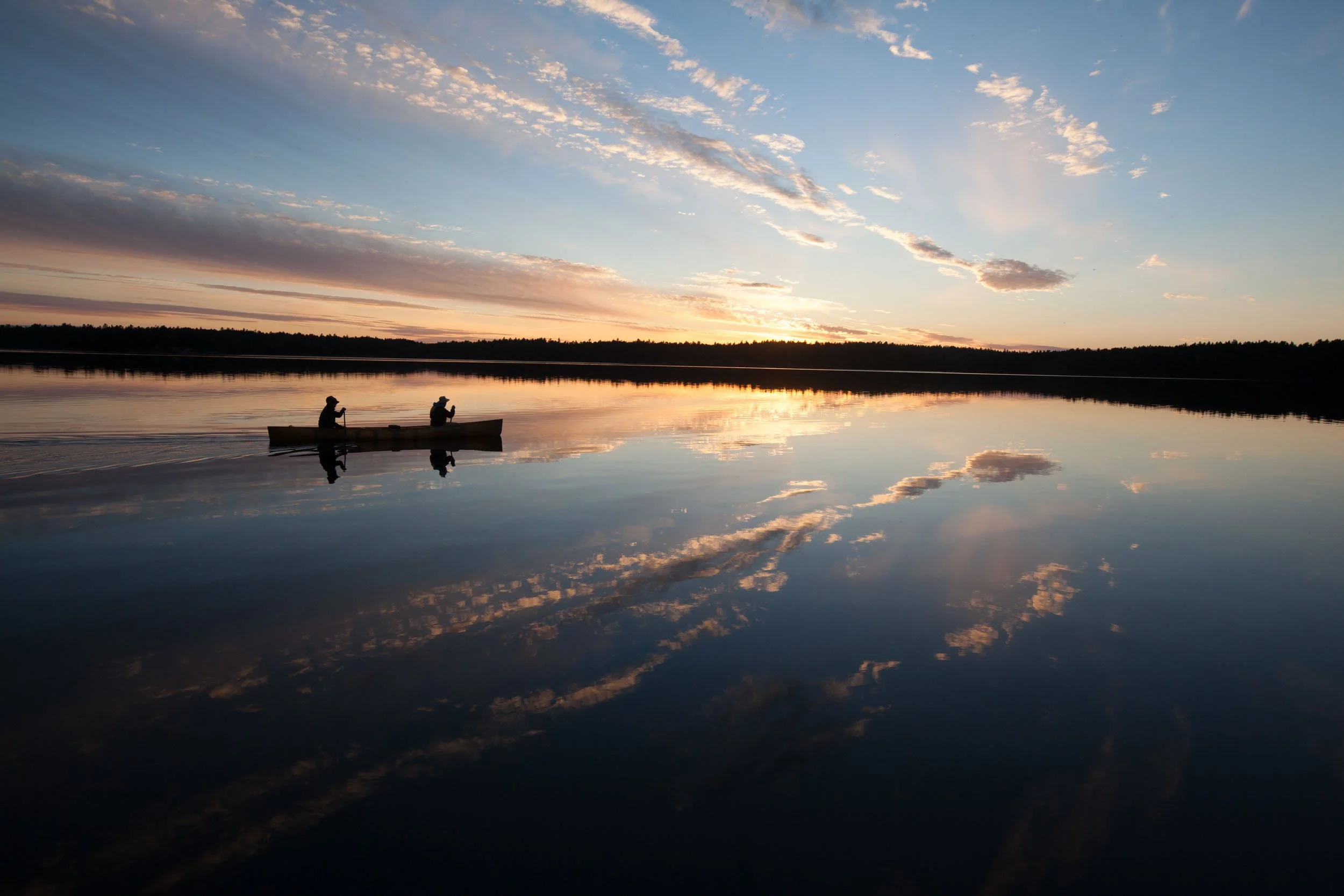
Photo credit: Steve Piragis
The Boundary Waters Canoe Area Wilderness is one of the most iconic outdoor places in the country—and right now, it’s under serious threat.
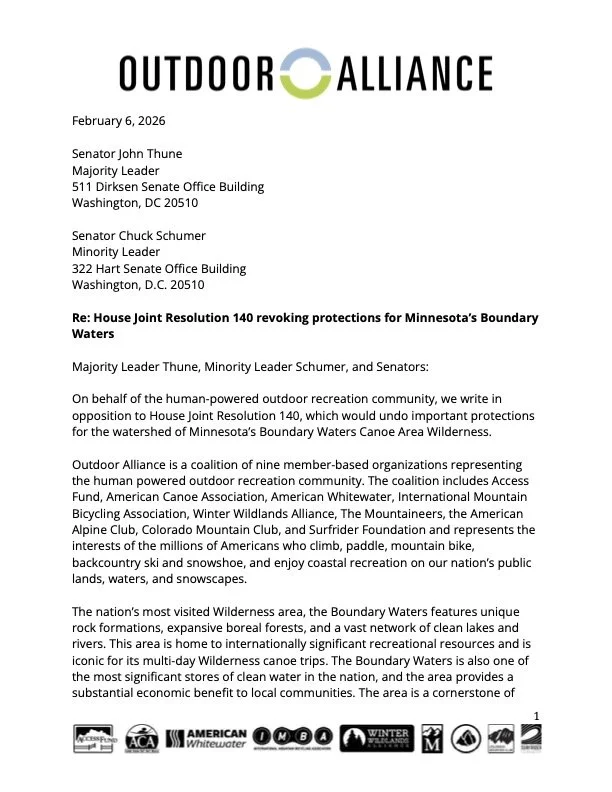
Earlier this month, Rep. Pete Stauber (R-MN) introduced a resolution that would use the Congressional Review Act (CRA) to overturn protections for the Boundary Waters, clearing the way for toxic copper mining in its headwaters. This approach is unprecedented and dangerous: mineral withdrawals like the Boundary Waters protections have never been treated as eligible for recission under the CRA, and if the measure passes, it will bar all future administrative protections for the area. If mining proponents succeeds here, it could set a bad precedent that puts public lands across the country at risk.
For paddlers, anglers, hikers, and campers, the Boundary Waters is irreplaceable. Its interconnected lakes and rivers support world-class recreation, clean water, wildlife habitat, and a thriving outdoor recreation economy that sustains thousands of local jobs. Sulfide-ore copper mining in this watershed carries a high risk of acid mine drainage and heavy metal pollution. This damage would be permanent and incompatible with wilderness recreation.
The outdoor recreation community has shown up for the Boundary Waters before, and we need to do it again. Congress must hear clearly that protecting clean water, recreation access, and America’s most visited Wilderness is not optional.
Louis Geltman, Vice President for Policy and Government Affairs at Outdoor Alliance, said, “The Boundary Waters is a place where clean water is the recreation experience. Paddling, fishing, and camping there depend entirely on an intact, interconnected watershed. Opening the door to toxic copper mining doesn’t just threaten one landscape—it threatens the idea that our most special public lands should be managed for long-term public benefit, not short-term industrial gain.”
Take action today and tell Congress to reject this attempt to open up the Boundary Waters to mining.