Mining Policy Is Getting an Update But Recreation Needs a Seat at the Table
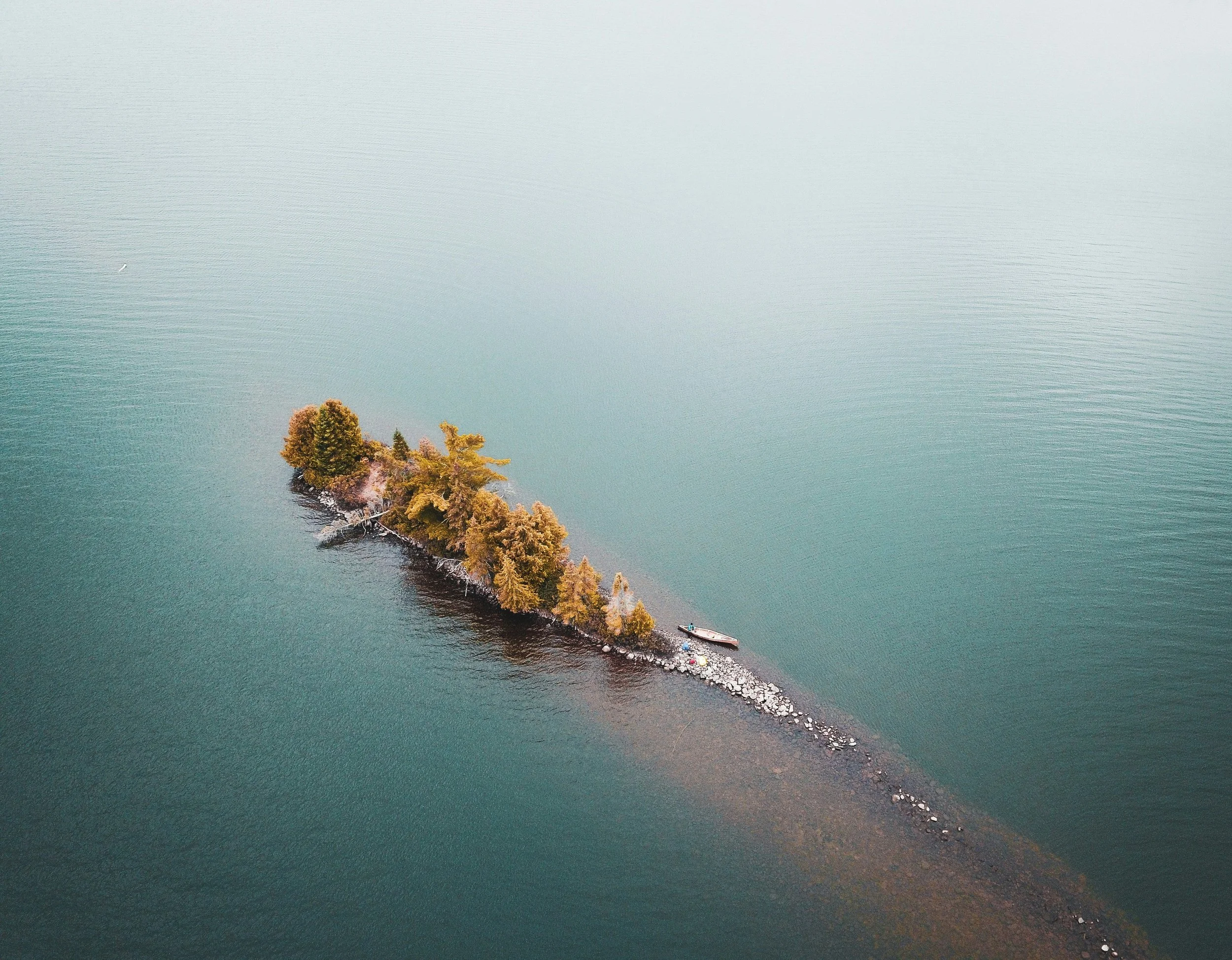
Photo credit: Joe Pohle
The U.S. Forest Service is in the process of updating how it manages hardrock mining on national forests for the first time in more than 50 years.
The agency’s current mining regulations date back to 1974, before outdoor recreation became one of the primary ways people experience public lands and a major driver of rural economies. Today, more than 183 million Americans get outside each year, and outdoor recreation generates $1.3 trillion in economic output. Lately, conflicts between mining and recreation have been heating up in places like the Boundary Waters, the South Fork Salmon, and Oak Flat.
As the Forest Service considers updates to its outdated mining rules, the agency must ensure that mining is appropriately balanced with outdoor recreation and other modern uses of public lands. Outdoor Alliance recently commented on the Forest Service’s proposed rule and identified a number of key changes that are critical for striking this balance.
Mining and Recreation Are on a Collision Course, But They Don’t Have to Be
Because of the complex history of our public lands, mining is allowed on many of the same places valued by outdoor recreationists, including remote, scenic landscapes with clean water, intact ecosystems, and public access.
When mining is poorly sited or managed, it can permanently damage the very resources that make these places special: rivers, trails, climbing areas, and backcountry terrain. Legacy mining pollution has already impacted watersheds across the West, and abandoned mines continue to pose risks to both people and ecosystems.
At the same time, increased mining is needed to support a transition to clean energy to address the climate crisis. The challenge is not whether mining should happen—but to ensure it happens responsibly, without sacrificing recreation and conservation values.
The Proposal: Some Progress, Some Gaps
The Forest Service’s proposed rule makes a few meaningful improvements. It would require early coordination between mining operators and the agency and reinforce consistency with forest plans, steps which could help identify conflicts with recreation earlier in the process.
One of the biggest concerns is the creation of a new “operating notice” category of permit that would allow many mining activities under 5 acres in size to move forward without a full plan of operations (a detailed mining plan currently required for most mining activities on national forests). Because many mining projects disturb relatively small areas, this change could allow the vast majority of projects to proceed with limited review and little to no public visibility.
That means a wide range of mining activities could affect trails, rivers, climbing areas, or public access before local recreationists are aware that a project was even proposed.
Additionally, recreation isn’t consistently accounted for in the proposed rule. Mining projects that would damage recreation resources or restrict access should require a thorough environmental review. And the rule itself should explicitly require agencies to protect and mitigate impacts to trails, rivers, climbing areas, campsites, and other recreation infrastructure.
The Bigger Picture: An Outdated System
Many of the challenges with mining policy go beyond this rulemaking.
The 1872 Mining Law—an outdated policy from the era of westward expansion—still governs hardrock mining on most public lands in the western U.S. As we’ve written about before, the Mining Law prioritizes mining over other uses of public lands, fails to protect U.S. taxpayers, and doesn’t give agencies clear enough authority to deny mining projects based on impacts to recreation, conservation, or cultural resources, among many other issues.
That leaves agencies like the Forest Service trying to manage modern land use conflicts with outdated tools.
Updating agency regulations is an important step but it’s only part of the solution. Long-term reform will require Congress to modernize mining law to reflect today’s values and realities.
What Happens Next
The Forest Service has an opportunity to modernize mining policy in a way that reflects how people actually use public lands today. A few key improvements—greater transparency and stronger protections for recreation—are critically needed to balance the need for minerals with the need to protect the places people go to hike, climb, paddle, and explore.
You can read Outdoor Alliance’s full letter to the USDA by clicking here.