Speak Up for Recreation on Oregon’s Forests
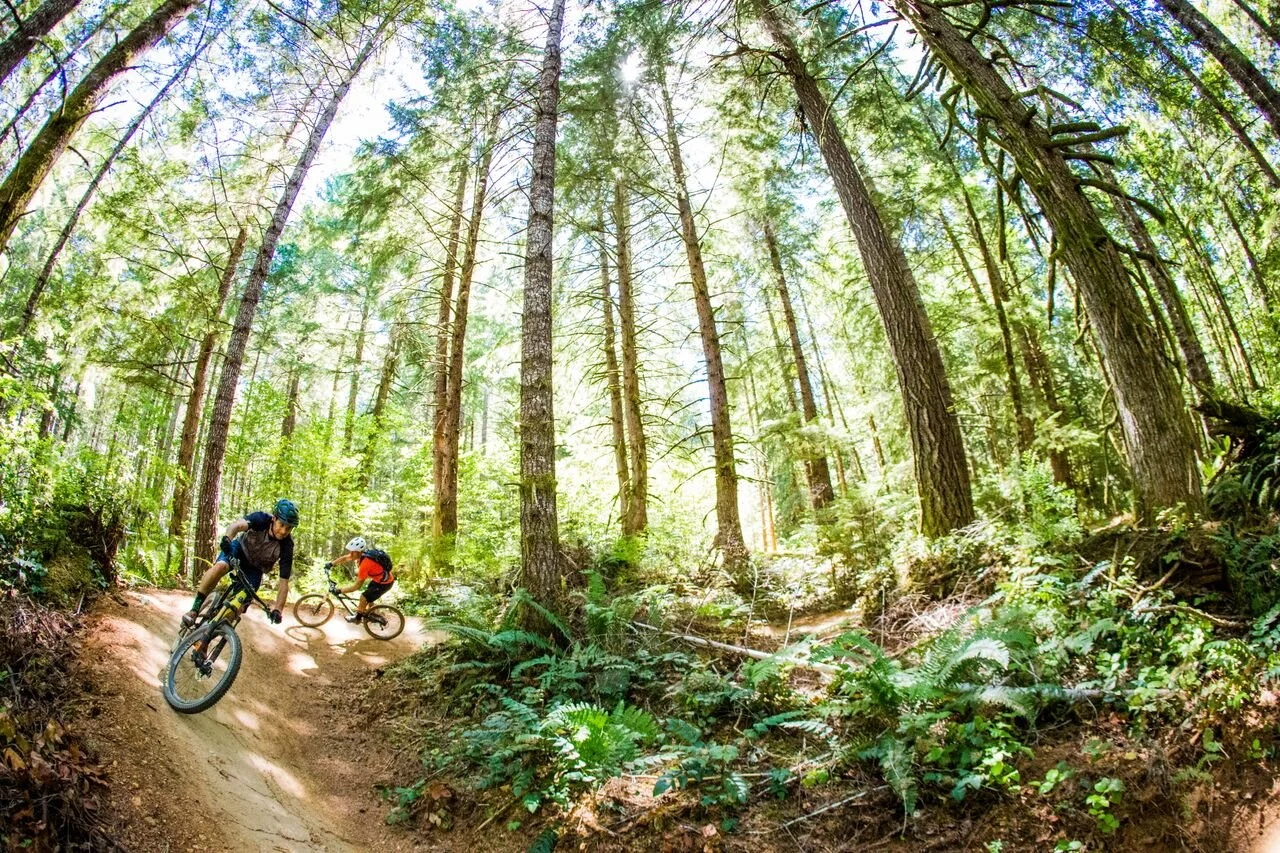
Photo credit: Leslie Kehmeier
The Bureau of Land Management has released a proposal to radically increase timber harvest across millions of acres of public forests in western Oregon—and the public comment period to weigh in is extremely short (it ended March 23). You can read Outdoor Alliance’s letter to the BLM office here.
Oregon is one of the few states with forested BLM lands, home to diverse whitewater, hundreds of miles of trails, mountain biking, and outdoor destinations like Mary’s Peak, Alsea Falls, the Rogue River, Valley of the Giants, and the Sandy Ridge Trail System.
For many communities, these forests are also the foundation of a thriving recreation economy. Visitors travel from across the country to paddle, ride trails, hike through old forests, and explore Oregon’s public lands—supporting local businesses and rural economies along the way to the tune of $9 billion and 76,000 jobs (source).
The BLM’s lands are multiple use, and Americans rely on them for many things, from timber harvesting to development to recreation and conservation. But Western Oregon’s BLM lands have relatively modern management plans that balance those uses, and overhauling them for the sole purpose of increasing timber and other development activities is not what Oregonians are asking for or want and risks throwing carefully-made plans into disarray. The especially short comment period (30 days) makes it difficult to give adequate feedback.
While some targeted forest thinning is important for wildfire risk mitigation in many western forests, aggressive logging, as proposed by the BLM, could change the character of these forests for generations. Decisions made now could permanently affect recreation opportunities, wildlife habitat, and the experience of exploring these landscapes.
Outdoor Alliance is closely tracking this comment period and will follow up with next steps.