Clean Water Is at Risk with the Proposed WOTUS Rule
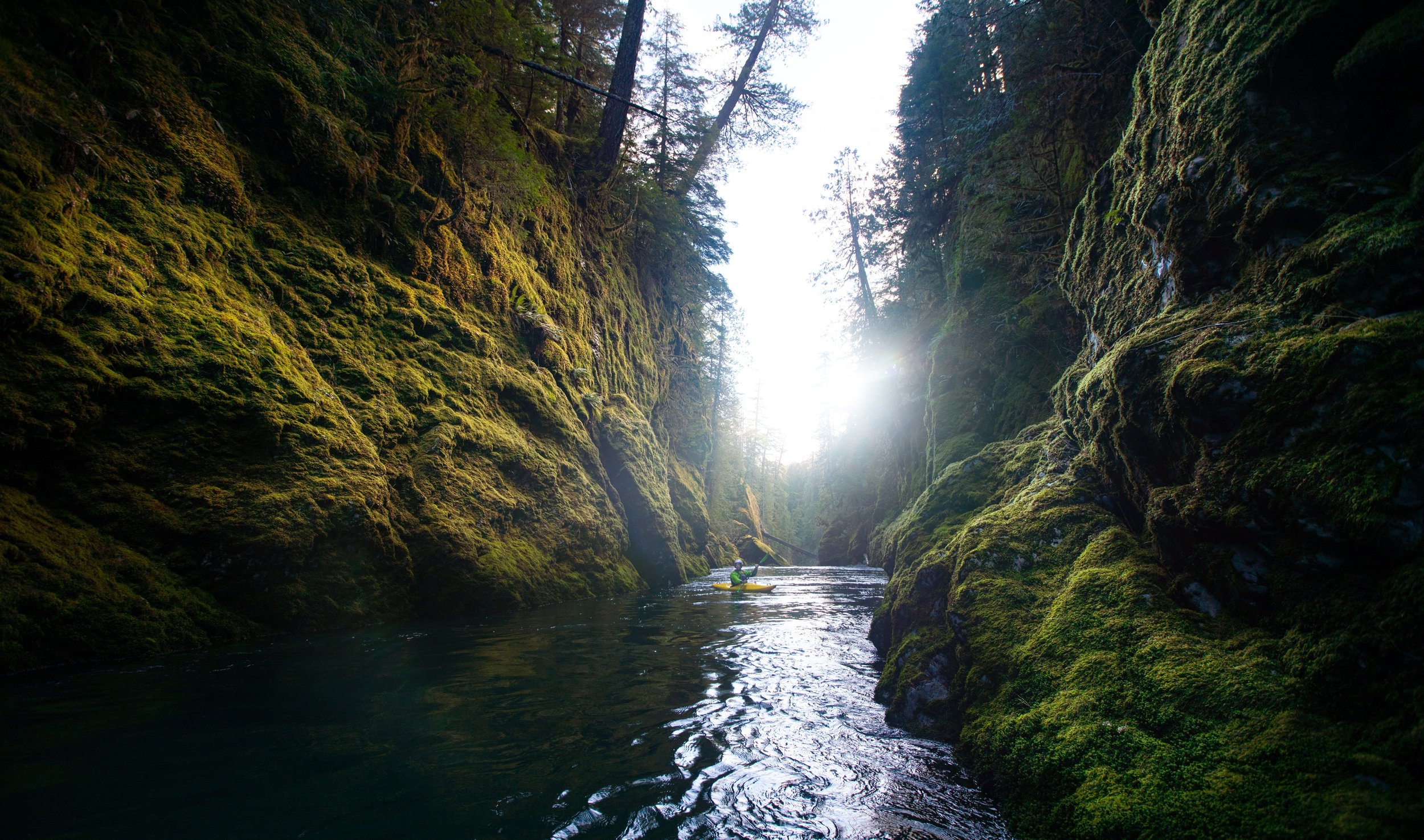
Photo credit: Chris Korbulic
In December, the Environmental Protection Agency and U.S. Army Corps of Engineers proposed a rule that would revise the definition of the Waters of the United States (WOTUS) under the Clean Water Act.
The Clean Water Act is the nation’s core clean water law, and WOTUS defines where it applies. When the definition of WOTUS is narrowed, fewer rivers, streams, and wetlands are protected—putting downstream water quality, wildlife, and outdoor recreation at risk.
The agencies’ proposed rule would significantly limit which waters and wetlands are protected by the Clean Water Act. In practice, this would leave many headwaters, seasonal streams, and wetlands—critical parts of healthy watersheds—open to pollution, dredging, and filling without federal safeguards. For the outdoor recreation community, that means greater risks to the places where people paddle, swim, fish, surf, hike, and gather, as well as increased threats to the $1.2 trillion outdoor recreation economy.
Outdoor recreationists are uniquely vulnerable to water pollution. Paddlers, surfers, swimmers, and anglers are immersed directly in the waters where they recreate—often during high-flow conditions when upstream pollution is most likely to be carried downstream. Wetlands and small streams play a critical role in filtering pollutants, slowing floodwaters, and protecting downstream rivers and beaches. Weakening protections for these waters makes pollution and flood damage more likely, increasing health risks and threatening access to safe recreation.
There has been significant back-and-forth in recent years over how to implement the Clean Water Act, including a 2020 rule that narrowed protections, a more science-based definition finalized in 2023 under the Biden administration, and repeated congressional attempts to roll back clean water safeguards. While the Supreme Court’s Sackett v. EPA decision narrowed certain aspects of federal jurisdiction, it does not require the sweeping weakening of protections proposed in this new rule.
Outdoor Alliance recently submitted detailed comments opposing the proposed rule and urging the agencies to withdraw it. In our comments, we highlighted how the rule would undermine the Clean Water Act’s protections, increase flood risks, harm public health, and disrupt recreation-based economies—especially in rural and coastal communities that depend on clean, accessible waters. Once wetlands are filled or upstream waters are polluted, the damage is often irreversible, and the costs are borne by downstream communities and future generations.
Clean water is foundational to outdoor recreation and to the communities that depend on it. We will continue to advocate for strong, science-based clean water protections that keep rivers runnable, beaches open, and public waters safe for everyone.
Sign up for action alerts and stay up to date on protecting clean water: