Permitting Reform Should Happen But Must Protect Outdoor Recreation
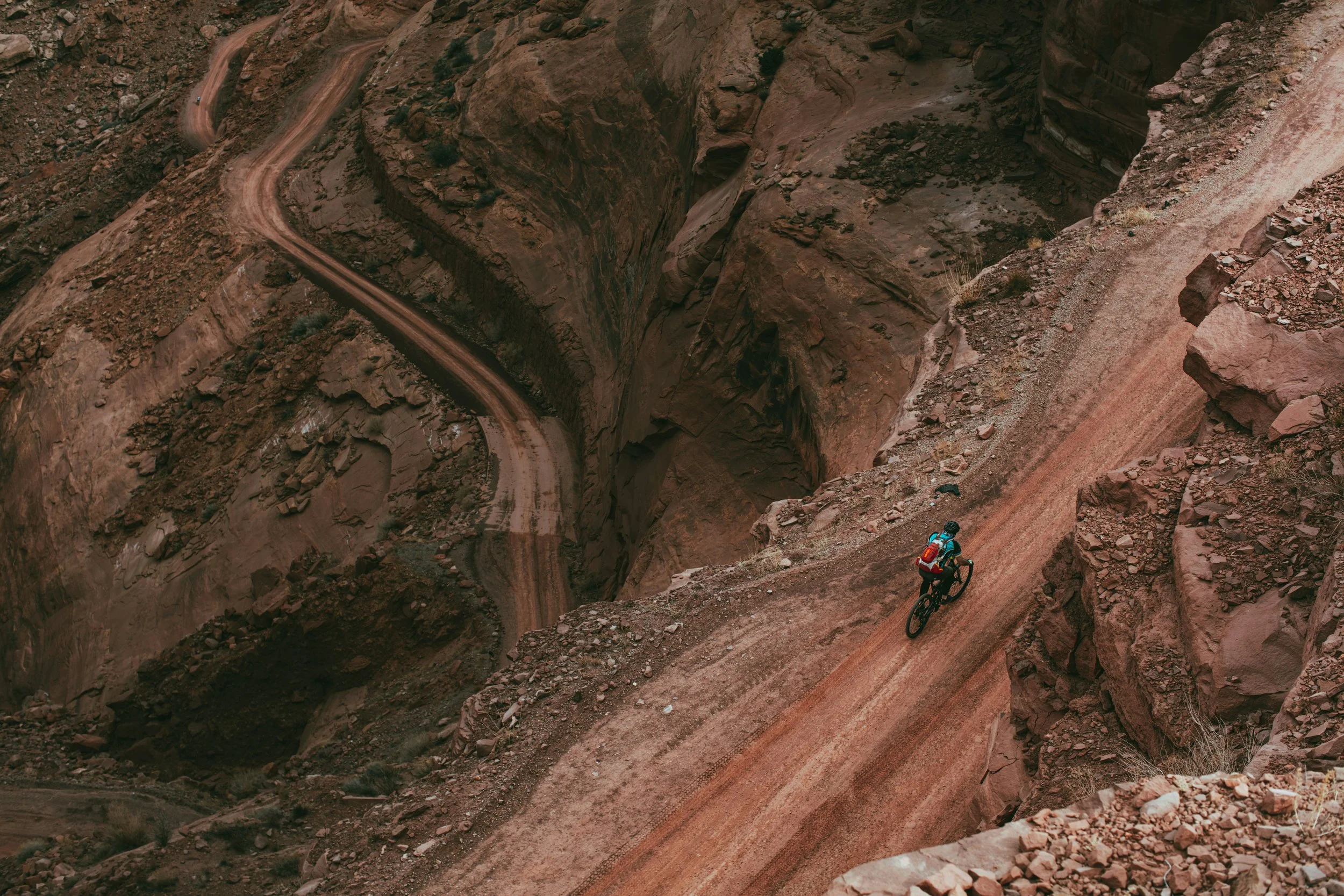
Photo credit: Patrick Hendry
Over the past few years, there has been increased bipartisan interest in permitting reform—the effort to streamline how federal agencies evaluate, approve, and oversee projects. The reforms have included proposed changes to environmental review timelines, requirements, and processes, all of which has an impact on the outdoor community.
Although lawmakers may have different motivations for pursing permitting reform—whether to address climate change or to speed development on public lands—many decision makers are concerned about the federal permitting process and how it is not keeping pace with the challenges of climate change, energy security, aging infrastructure, or growing demand for outdoor recreation.
While the outdoor community understands the need for permitting reform, it shouldn’t—and doesn’t need to—come at the expense of outdoor recreation experiences.
Later this week, the House is expected to vote on the Standardizing Permitting and Expediting Economic Development (SPEED) Act (H.R. 4776), a bipartisan bill that would fundamentally alter the National Environmental Policy Act (NEPA)—the bedrock law that ensures federal decisions are informed by science, transparent to the public, and accountable when they go wrong. While we appreciate the intent of the SPEED Act, we are concerned that, as written, the bill goes too far in limiting key aspects of NEPA that help outdoor recreationists to participate in decisions about public lands and waters, while offering little assurance that projects would actually move faster or with less controversy.
NEPA Is Important But It’s Not Perfect
The SPEED Act would apply to fossil fuel development and renewable energy projects alike, and it would affect virtually every type of federal action on public lands and waters. Several provisions are especially concerning for outdoor recreation:
It undermines judicial review.
NEPA only works if agencies are accountable. The SPEED Act would restrict the ability of courts to pause or stop projects and would dramatically shorten the timeline for bringing legal challenges. It would also make it harder for community members to even qualify to bring a claim in the first place.
It limits current science.
The bill would allow agencies to ignore new scientific or technical information that becomes available after a project application is submitted even if that information reveals serious impacts to trails, climbing areas, rivers, or wildlife habitat. For a recreation community that relies on up-to-date, place-based data, that’s a serious problem.
It narrows what agencies are allowed to consider.
The bill would force agencies to ignore certain foreseeable environmental impacts, potentially including climate impacts, simply because they occur later. It also creates broad new exemptions that could allow agencies to skip NEPA analysis altogether for projects that affect unique, place-based recreation resources.
The outdoor community is open to permitting reform and supports thoughtful changes that help agencies do their jobs more efficiently without sacrificing public trust, science, or accountability. In fact, those values are essential if we want projects like new trail systems and clean energy projects to succeed. You can read our full letter to the committee here or by clicking at right.
The outdoor community wants to work with Congress on solutions that meet the moment. But the SPEED Act, as written, misses the mark. You can write your lawmakers about your concerns about the bill using the form below.