The Roadless Rule protects many of our country’s most valued backcountry recreation areas. These forests provide clean air and water, fight climate change, and are the backbone of a $1.3 trillion outdoor recreation economy that supports 5.2 million jobs. Right now, those protections are at risk. A proposed rollback could unwind protections for 45 million acres of national forests, putting at risk:
25,121 miles of trails
more than 10,000 backcountry climbing routes
768 miles of whitewater
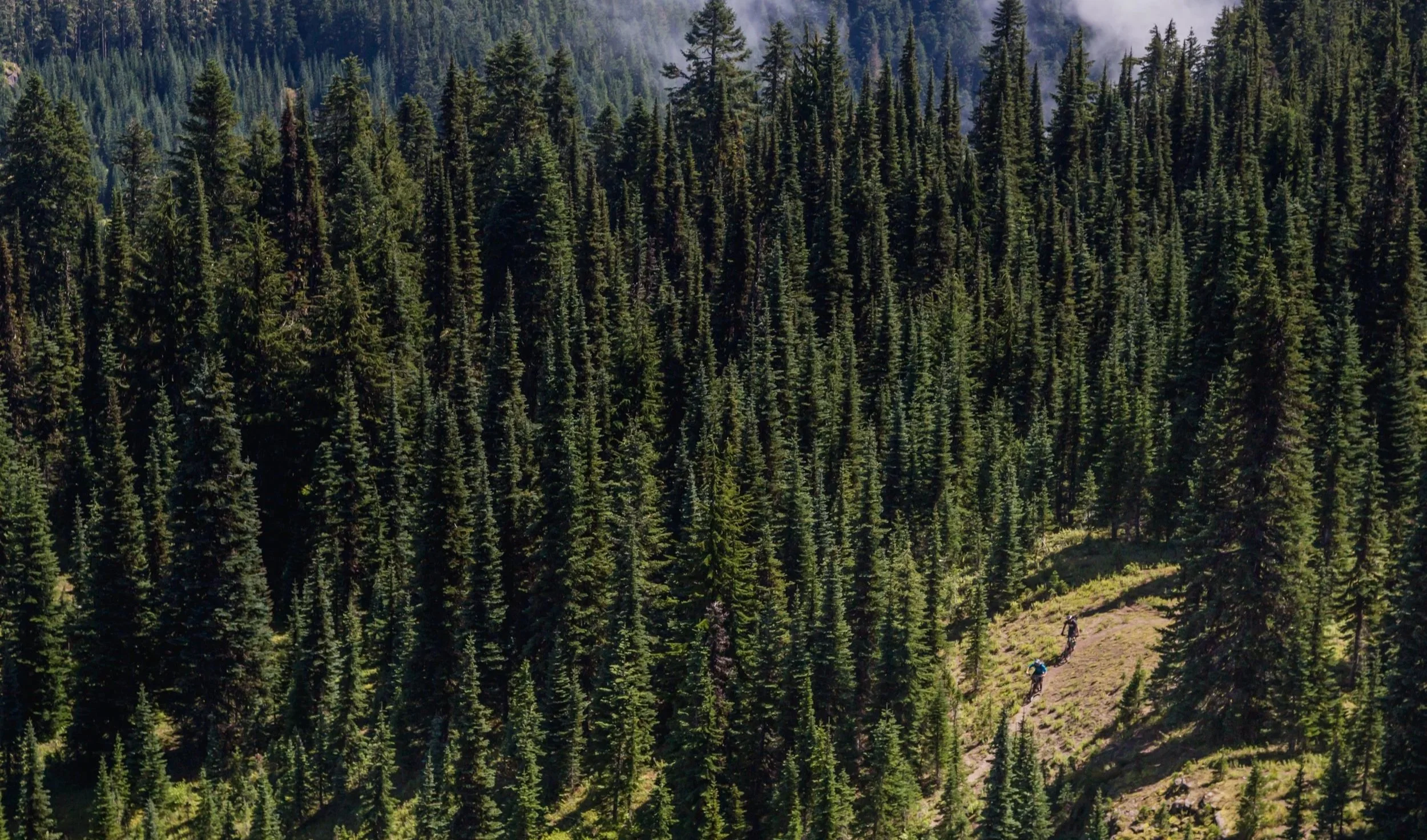
10,794 miles of mountain biking
If the Roadless Rule is rolled back, some of the places people rely on for quiet, adventure, and connection could be opened to road building and industrial logging, which would fundamentally change the recreation experience.
What are Roadless Areas?
About half of national forest land is already open to development like logging and mining, and another portion is protected as Wilderness.
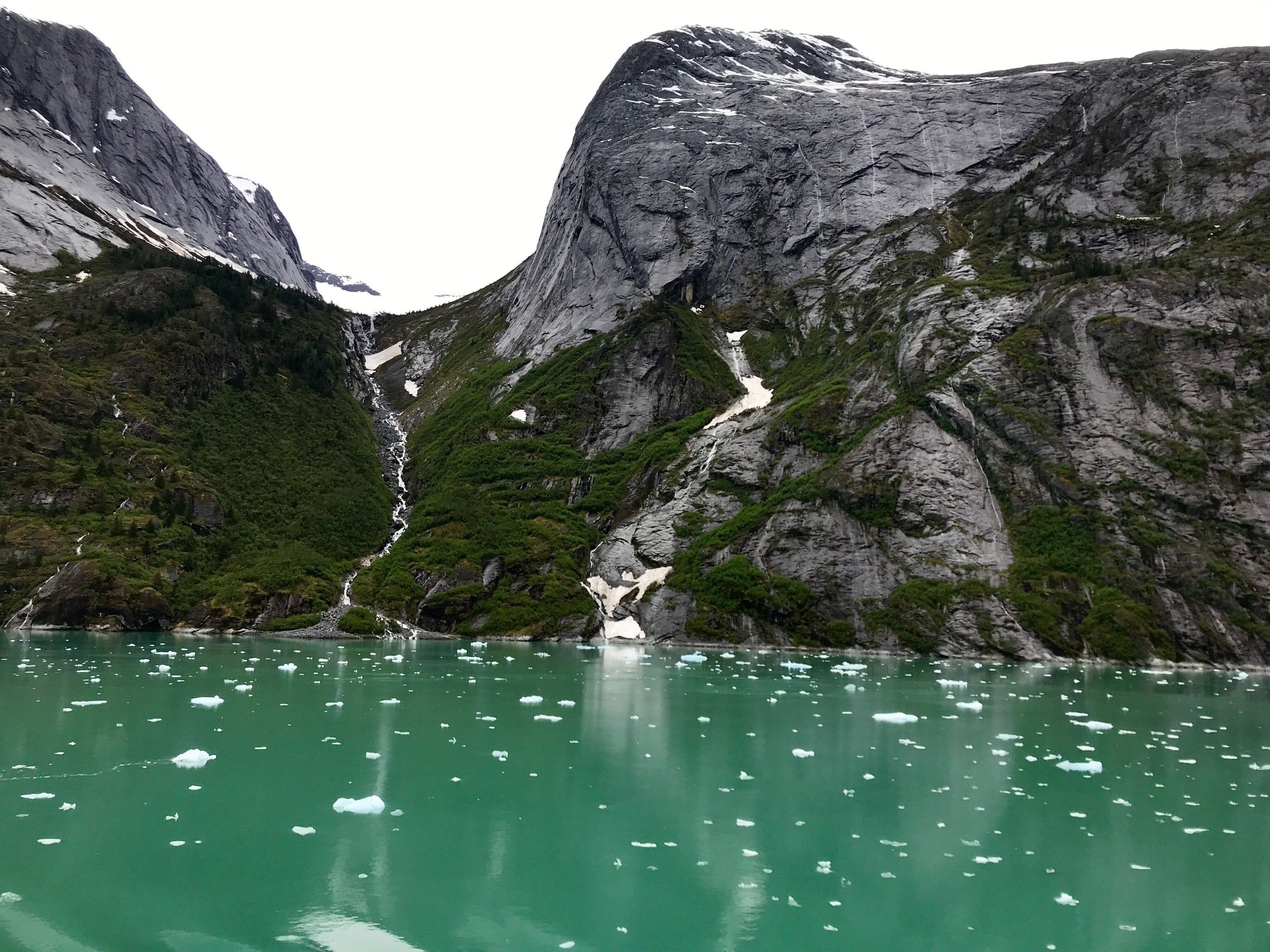
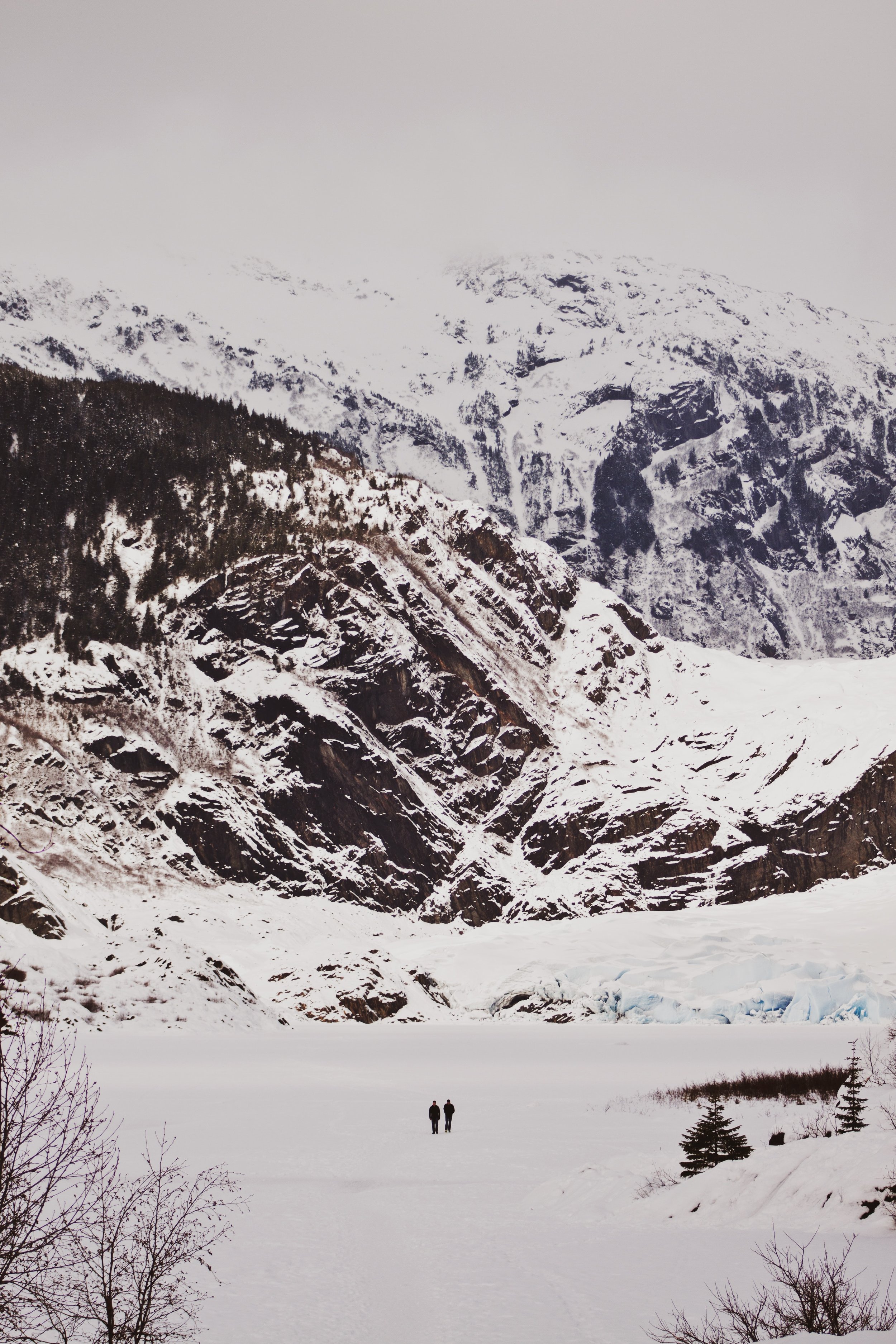
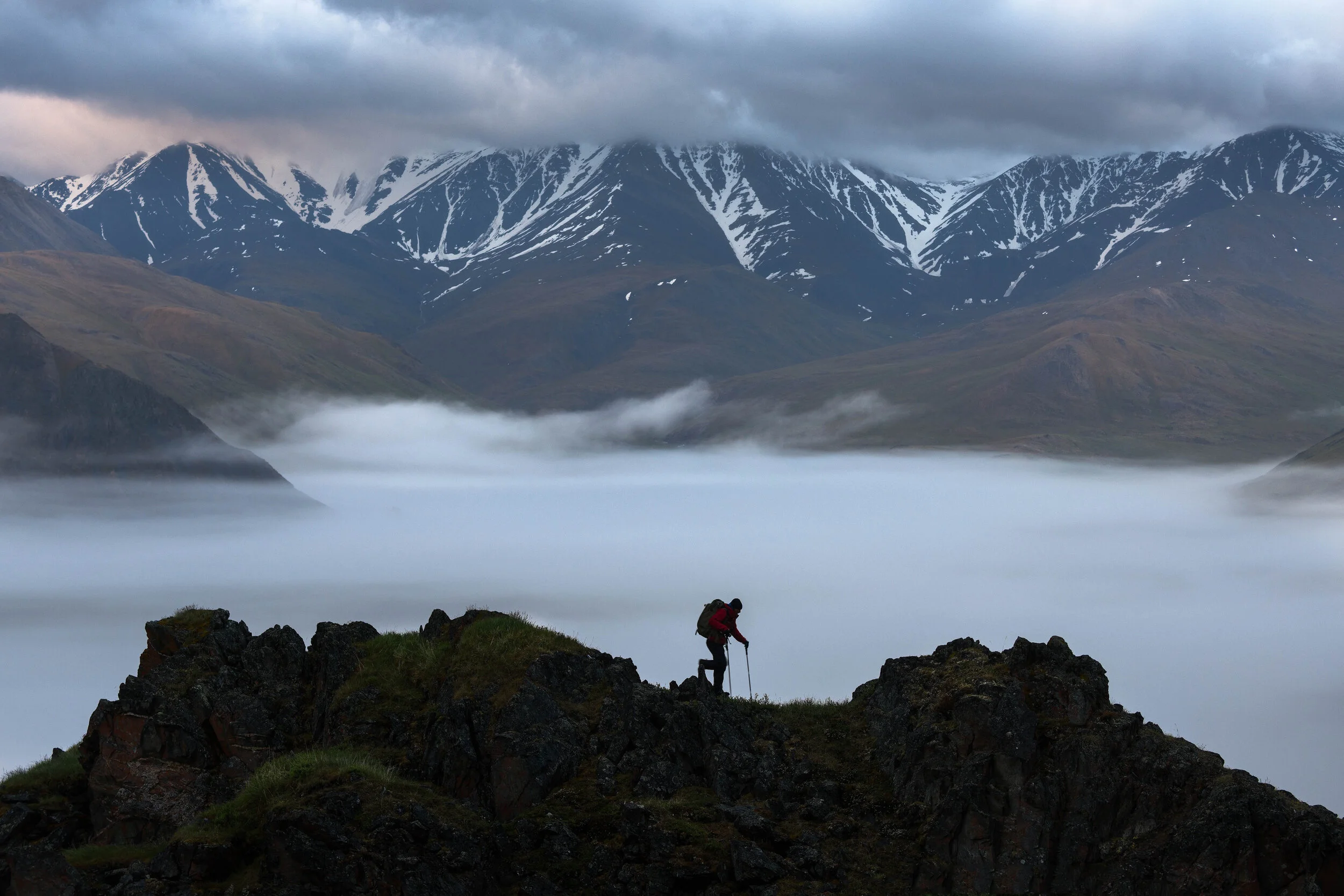
A third of our national forests are protected by the Roadless Rule. They include remote, undeveloped landscapes without roads, where people go to hike, climb, bike, paddle, ski, and explore.
What is the Roadless Rule?
The Roadless Rule was established in 2001 after extensive public input. It protects these backcountry forests by limiting new road construction and large-scale logging, while still allowing a wide range of recreation and responsible management.
Roadless Rule Under Threat
Right now, the USDA is on track to rescind the Roadless Rule, rolling back protections for millions of acres of our National Forests. If these protections are lost, some of your favorite places to hike, climb, or ski could be opened to logging and road construction.
This decision will shape the future of our national forests.
Interactive map of U.S. Roadless Areas and Recreation
News and Alerts
Featured




Outdoor Alliance Washington and local partners recently enjoyed a scenic hike on the Mount Baker-Snoqualmie National Forest with Representative Rick Larsen, members of his staff, and local land managers.